
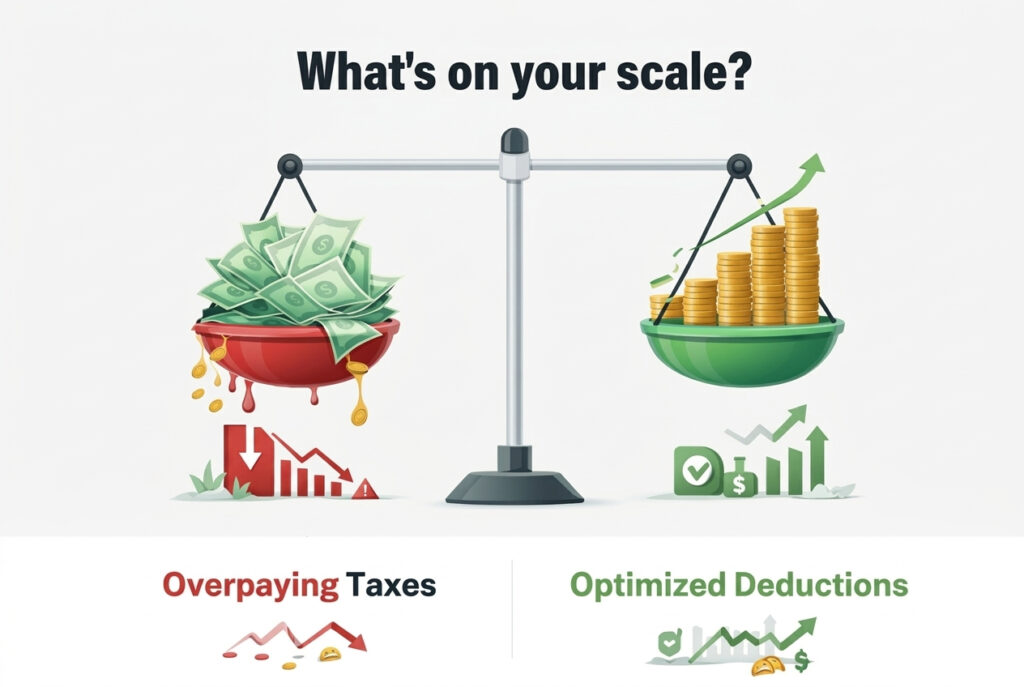

For many Small and Medium Enterprises (SMEs), tax is viewed as an unavoidable “leakage.” However, through the lens of strategic finance, tax is a “controllable variable.” Maximizing deductions is not about “aggressive tax avoidance”; it is about “tax optimization”—ensuring that the business retains as much capital as possible to fuel its own growth.
The Power of Accelerated Depreciation and Section 179 One of the most potent tools for SMEs is the ability to write off the full cost of equipment or software in the year of purchase. Instead of depreciating an asset over five or ten years, businesses can often take an immediate deduction. This creates a significant “timing benefit” for cash flow, essentially using the tax code to subsidize the modernization of your business infrastructure.
R&D Tax Credits: The “Hidden Gem” of the Tax Code Many SMEs believe Research & Development (R&D) credits are only for tech giants or pharmaceutical labs. This is a costly misconception. If your business is developing a new process, improving a product, or even creating proprietary software to solve an internal problem, you likely qualify for R&D credits. These are not just deductions (which reduce taxable income) but credits (which reduce the tax bill dollar-for-dollar).
Optimizing the “Home Office” and Hybrid Work Expenses In the post-COVID era, the definition of “business premises” has evolved. For SMEs, properly documenting and claiming home office deductions—including a proportionate share of utilities, internet, and even mortgage interest—can result in thousands of dollars in annual savings. The key here, as any CA will tell you, is “contemporaneous documentation.” Without a clear log and a dedicated space, these deductions often fail an audit.
The Strategy of “Income Shifting” and Retirement Contributions Strategic tax planning involves looking at the business and the owner as an integrated ecosystem. By maximizing contributions to qualified retirement plans (like a 401(k) or SEP-IRA), a business owner can reduce the company’s taxable income while simultaneously building personal wealth. This is a classic “win-win” that requires a deep understanding of both corporate and personal tax law.